How to Fix Your Slow Spectrum Internet
Learn how to self-assess your Spectrum Internet issues without having to submit a support ticket.
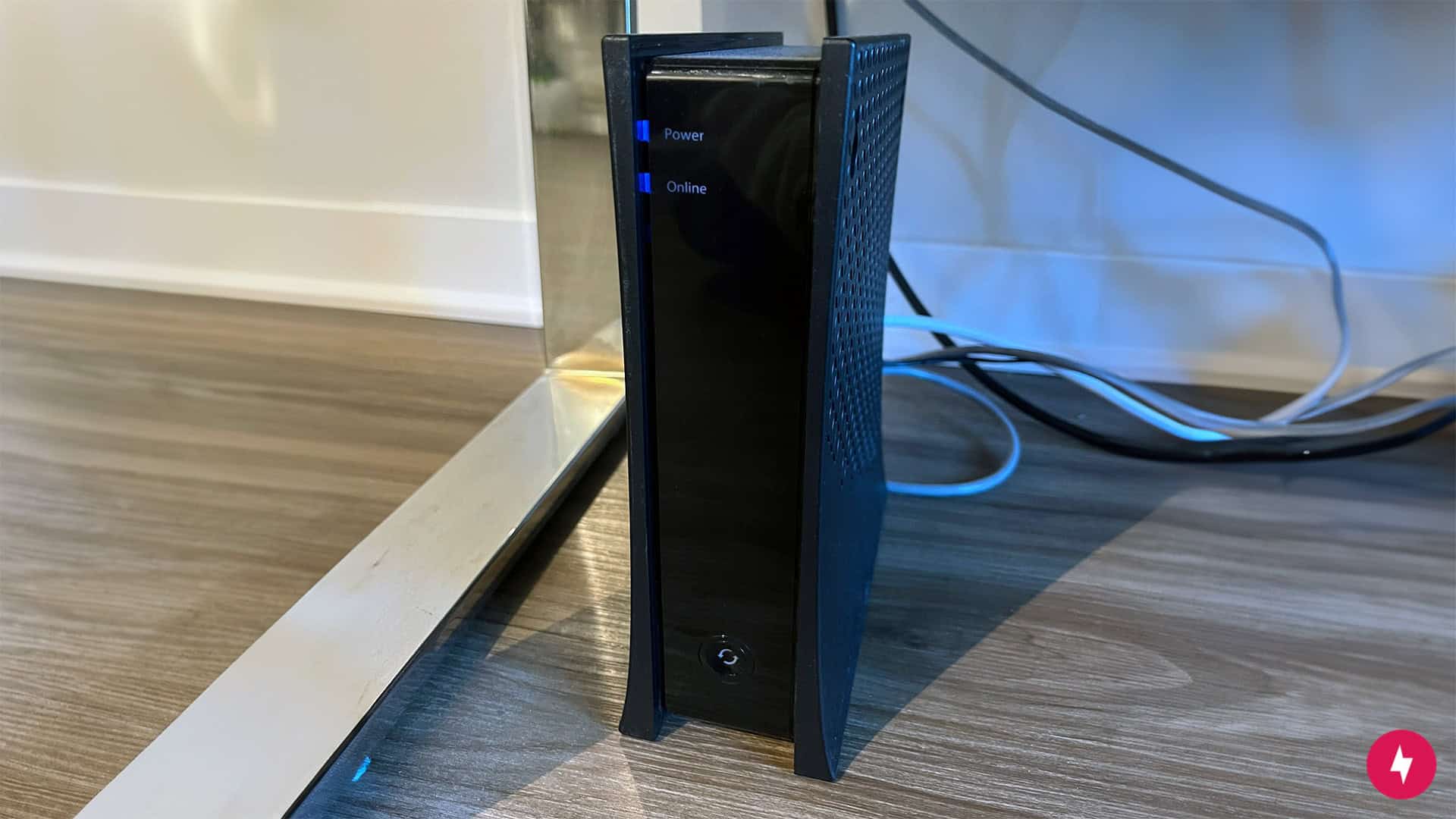
- Spectrum Internet® can slow down due to various factors, including an outdated router, network congestion in your area, or service outages.
- Spectrum’s website offers a user-friendly speed test to ensure you’re getting the speed you need and pay for.
- If you still can’t resolve the issue on your own, submit a support ticket to a customer service representative or a technician.
If your Spectrum Internet is slow, constantly buffering, or making Zoom calls feel like a game of freeze tag, you’re probably wondering how to fix it. Spectrum customers often face speed drops, lag and frustrating load times, but the causes aren’t always obvious. We’ll break down the most common reasons Spectrum Internet feels sluggish and how you can fix your internet speed, with every step outlined to get you back up and running (without calling customer support).
Our Video on How to Fix Your Slow Spectrum Internet
Prefer the video version of this article? Check out our video below, and make sure to subscribe to our YouTube channel for troubleshooting tips and more!
Overview of Fixing Slow Spectrum Internet
- How to Fix Slow Spectrum Internet Fast
- Why Is Spectrum Internet So Bad? Common Causes
- How to Find Your Router’s IP Address
- How to Change Your Wi-Fi Password
- How to Pick Wi-Fi Network Protection
- How to Change Your Wi-Fi Name (SSID)
- How to Change Your Wi-Fi via Apps
- How to Modify Your Wireless Mesh Network
- How to Test Your New Wi-Fi Settings
- How to Reset Your Wi-Fi Router
- Our Video on How to Change Your Wi-Fi Password
- Know Your Speed
- Testing Your Spectrum Internet Speed
- How to Reboot Your Spectrum Router and Modem Through the My Spectrum Mobile App
How to Fix Slow Spectrum Internet Fast
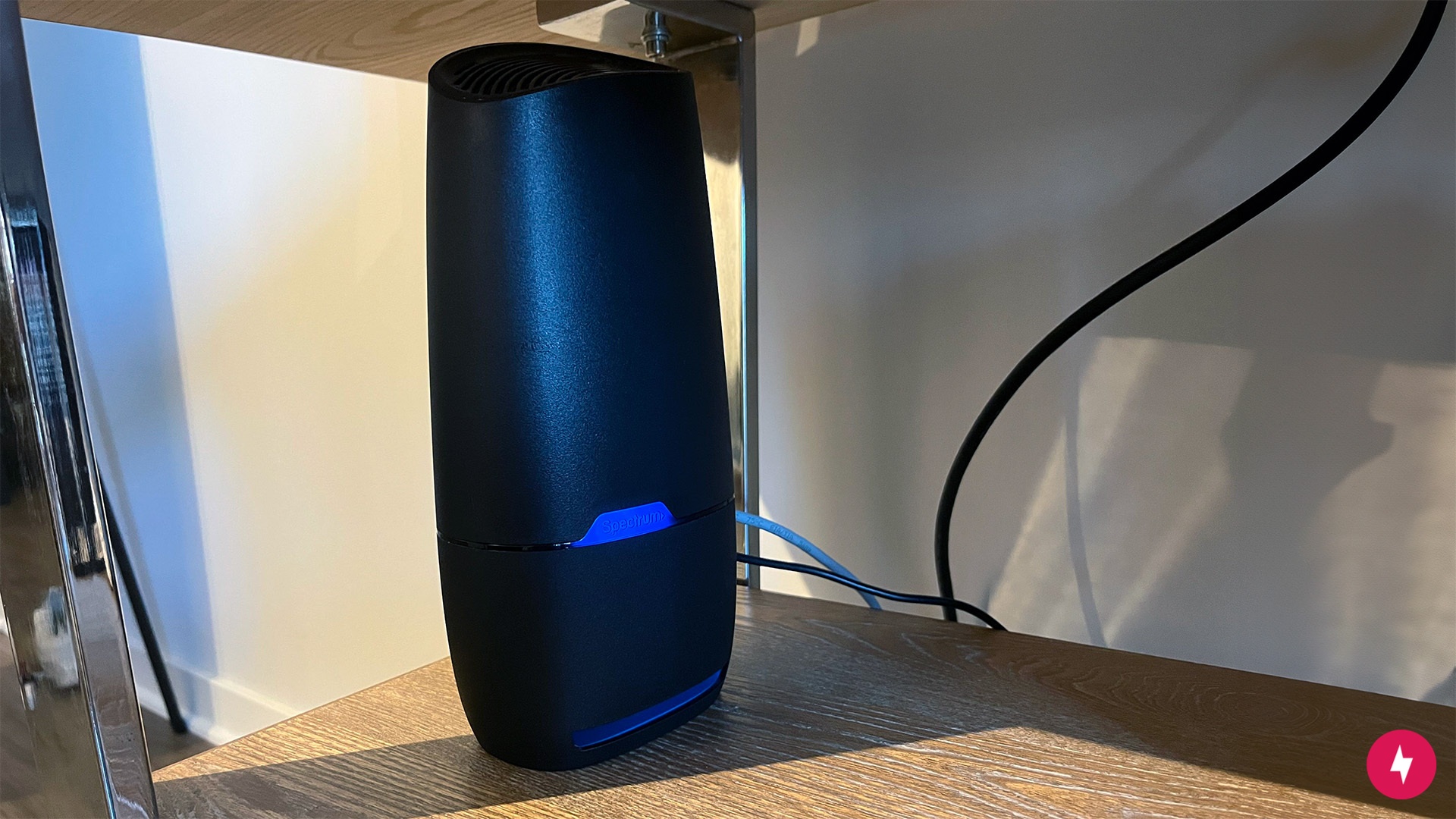
Before you contact Spectrum, there are several methods you can take to verify if your equipment is working properly and performing at its best.
Quick fixes at a glance:
- Restart Your Modem and Router
- Inspect Your Cables
- Review Your Equipment’s Location
- Clear Your Browser Cache
- Scan for Viruses and Malware
- Check for a Service Outage
Restart Your Modem and Router
One of the best ways to speed up your WiFi is to restart your modem and router. Modems and routers sometimes get bogged down with cached information, causing them to slow down over time. Restarting them can clear the queue and speed up your Internet in no time.
I don’t restart my equipment very often unless I’m having an issue with my speed or Internet service. However, it’s best practice to reboot your modem and router routinely — once a month is sufficient. A reboot clears out the memory and refreshes your connection. Don’t opt for the reset, however, as that will restore your equipment to the default factory settings.
However, if you do want to reset your Spectrum router, take a look at our video below:
Inspect Your Cables
Cables can become loose or unplugged by accident, depending on where you keep your equipment. Make sure your cables are plugged in properly and undamaged. If you have pets or keep your equipment on the ground, your cables might be the cause of your slow connection. You should also verify that your Ethernet cable is connected properly if you have a separate modem and router like I do. It’s recommended to practice cable management, as that will not only prevent damage to your cables but also organize your space, providing a neater appearance.
Review the Location of Your Equipment
The location of your equipment could be the quick fix you’re seeking to speed up your Internet. Keep the following best practices in mind when finding the best location for your modem and router:
- Make sure your router and modem are in a central location.
- Avoid barriers or obstructions, like walls or other electronic devices.
- Place your equipment higher up, such as on a shelf, to optimize your coverage and Internet speed.
Because I live in an apartment, I didn’t have to worry about the location of my equipment as much as someone who has a larger home. I chose to place my equipment on my TV console because I often work from my living room rather than in my bedroom or kitchen.
Clear Your Browser Cache
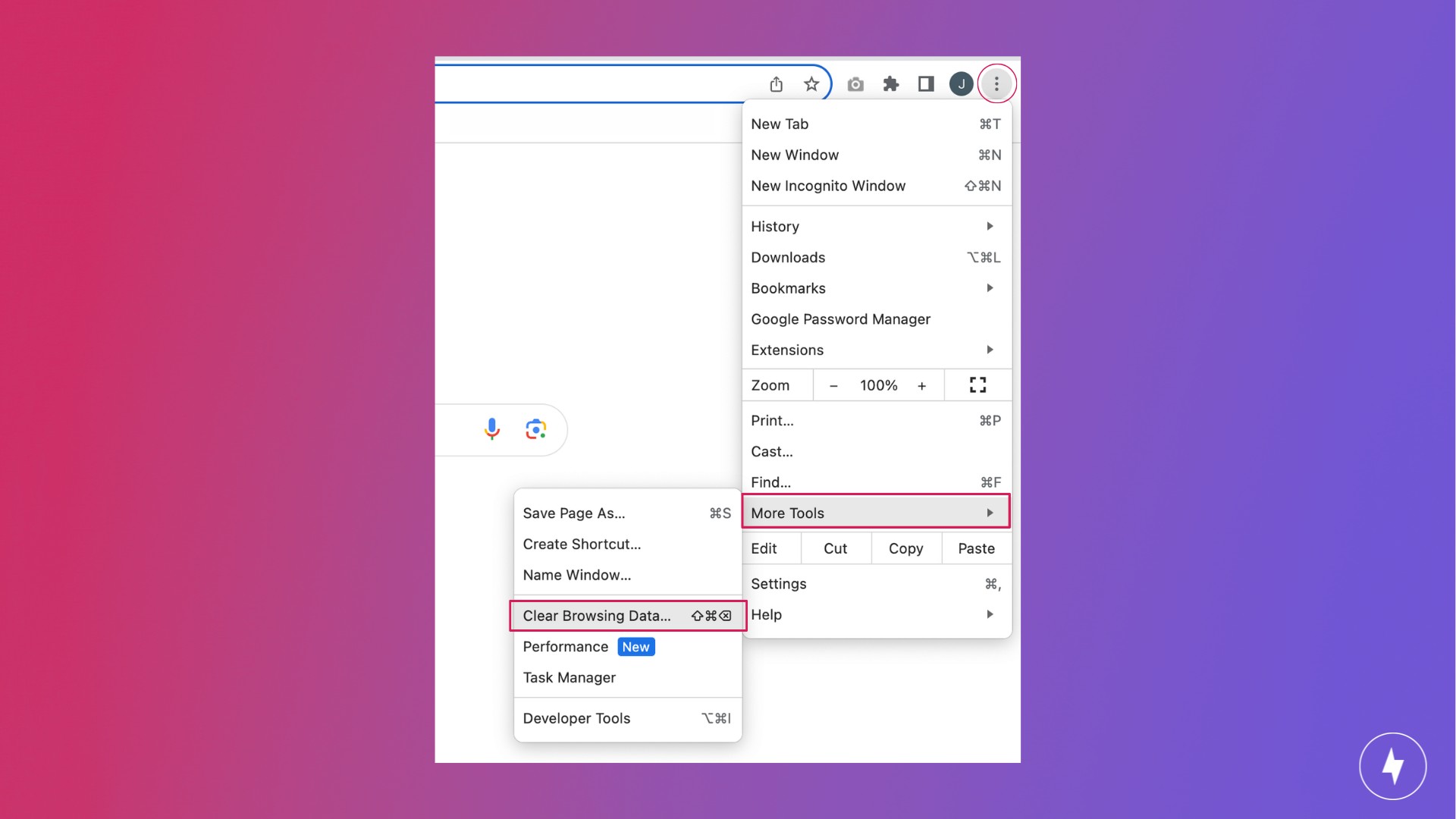
You should regularly clear your browser cache to prevent slower Internet speeds caused by too many temporary files. Your web browser usually makes it simple to clear your cache — it typically takes one to two clicks in your settings. I personally use Google Chrome, but clearing your browsing data should be a similar process with other web browsers.
Scan for Viruses and Malware
Remember the days when you clicked on an ad or downloaded a song on the Internet and then you accidentally planted viruses or malware on your parents’ computer? Unfortunately, malicious software and viruses are still around and can take up a lot of your Internet bandwidth without your knowledge. It’s important to stay safe when browsing the Internet. You can use reputable antivirus software to regularly scan your device or even catch these threats before they get through your device. Here are a few popular methods and tips to scan for viruses and malware:
- Run an Antivirus Scan with software like Norton, McAfee, Kaspersky, TotalAV, or something comparable.
- Most of these require a paid monthly subscription, but there are free versions that allow basic protection (but are not guaranteed).
- Set up automated scans so you don’t have to remember to run the updates.
- Always update your operating system because it leverages its own antivirus defenses.
- Use secure or encrypted networks as opposed to public networks.
- Monitor any suspicious downloads before proceeding with them.
Check for a Service Outage
When logging into my Spectrum account, I can see right away if there’s a service outage in my area. Most companies also make it fairly seamless to identify if there’s a local outage affecting your connection. I’ve received emails if the outage is severe. While it’s frustrating, this issue is actually the best-case scenario, because your local technicians will be actively restoring connectivity to every Spectrum customer in the area and you won’t have to navigate the situation alone.
Why Is Spectrum Internet So Bad? Common Causes
If you’re frustrated with slow Spectrum Internet, you’re not alone. Many customers report drop-offs in speed, lag during gaming and buffering while streaming even on high-speed plans. The causes can vary, but some issues are more common than others. Below are the biggest culprits and how they affect your connection.
| Cause | Symptom | When it happens | Quick fix |
|---|---|---|---|
| Congestion | Buffering, slow downloads, dropped video calls | 6 p.m.-11 p.m. | Schedule heavy usage off-peak, use Ethernet |
| Outdated Equipment | Speeds far below plan limit | Any | Upgrade modem/router, check firmware |
| Spectrum Latency Issues | Gaming lag, call delays | Random or ongoing | Run ping tests, try alternate DNS, contact support |
Peak Hour Congestion
Like traffic during rush hour, internet speeds can slow down when too many people in your neighborhood are online at the same time. Streaming 4K video, gaming and video conferencing all require significant bandwidth. When dozens (or hundreds) of households are doing it simultaneously (typically between 6 p.m. and 11 p.m., your available speed can drop, regardless of your plan.
What you can do: Try scheduling large downloads or updates outside of peak times, or use a wired Ethernet connection for more consistent speeds.
Equipment Throttling
The FCC’s net neutrality law prevents ISPs from blocking or throttling internet connections. While Spectrum says it doesn’t throttle internet the way some mobile carriers do, old modems, routers or outdated firmware can create a throttled effect. Use BroadbandNow’s speed test tool to see if your current speed matches up to your internet plan. If your equipment isn’t capable of supporting your plan’s maximum speeds or isn’t compatible with Spectrum’s latest DOCSIS standards, your connection will be bottlenecked before it even reaches your devices.
What you can do: Check Spectrum’s approved equipment list, update firmware or consider upgrading to a newer modem/router combo that supports your plan’s speed.
Spectrum-Specific Latency Issues
Latency, which is the delay between sending a request and receiving a response, can be a major headache for gamers and anyone using real-time apps like Zoom. Spectrum uses a hybrid fiber-coaxial (HFC) network, which can sometimes lead to higher latency compared to fiber networks. This is especially noticeable if routing between you and a server is inefficient or if there’s maintenance in your area.
What you can do: Use tools like PingPlotter to identify high-latency hops, and contact Spectrum support with your results. Sometimes switching to a different DNS server can also help.
How to Find Your Router’s IP Address
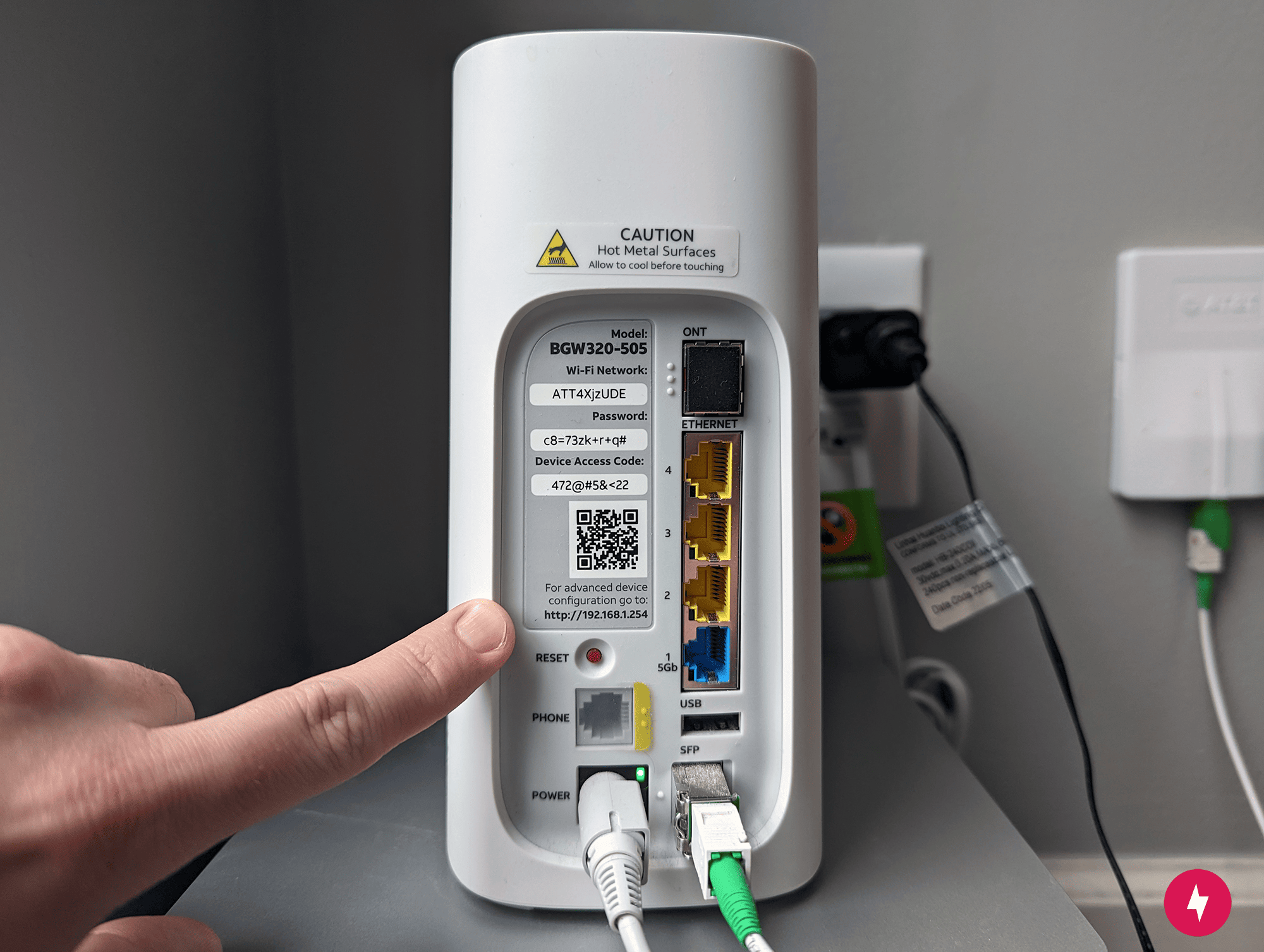
The first step in changing your Wi-Fi password is locating your router’s IP address. You’ll then enter this information into your browser to access your Wi-Fi settings. Usually, home network IP addresses start with 192.168. Your router will have a similar sequence. Routers commonly have either the default IP address 192.168.1.1 or 192.168.0.1, but this scenario isn’t always the case (as evidenced by the 192.168.1.254 address for AT&T’s router shown above).
You can manually search for your router’s IP address by checking the device itself. Typically, the side or back of the router displays this information, as was the case for our Editor’s AT&T router in the above photo. However, my Spectrum router didn’t have this information printed on the device, so I had to use another method to find its IP address. Alternatively, you can reference the router user manual to locate the IP address.
You can also find the IP address wirelessly using either a mobile device or your home computer. While I have an iPhone and Windows laptop, you may need to find your router’s IP address for Mac or Android devices. We cover each of these devices and operating systems in the steps below:
How to Find Your Router’s IP Address on iPhone
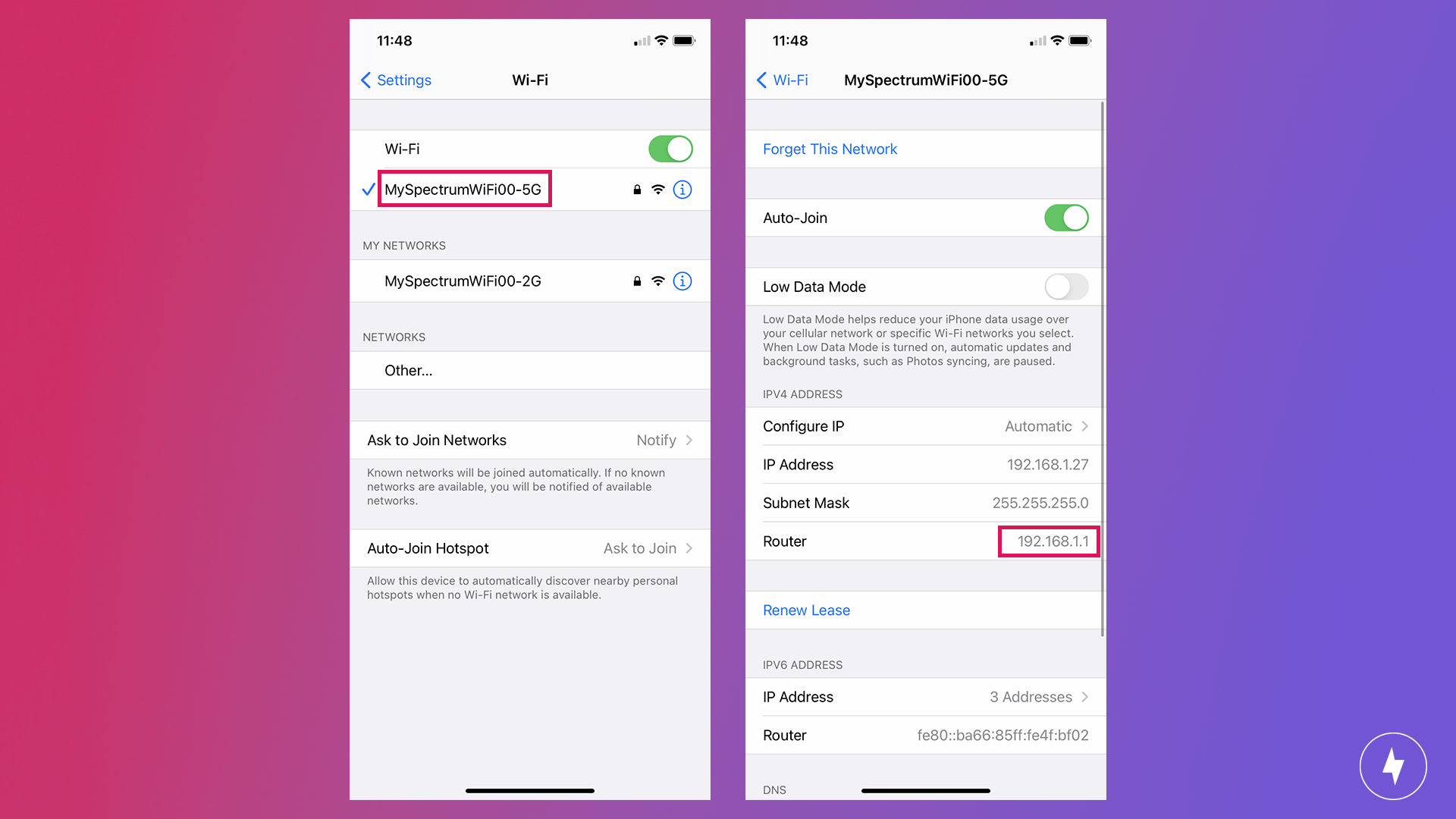
- Go to Settings.
- Tap Wi-Fi.
- Tap on your network’s name.
- Write down the number displayed next to Router.
How to Find Your Router’s IP Address on Windows 10
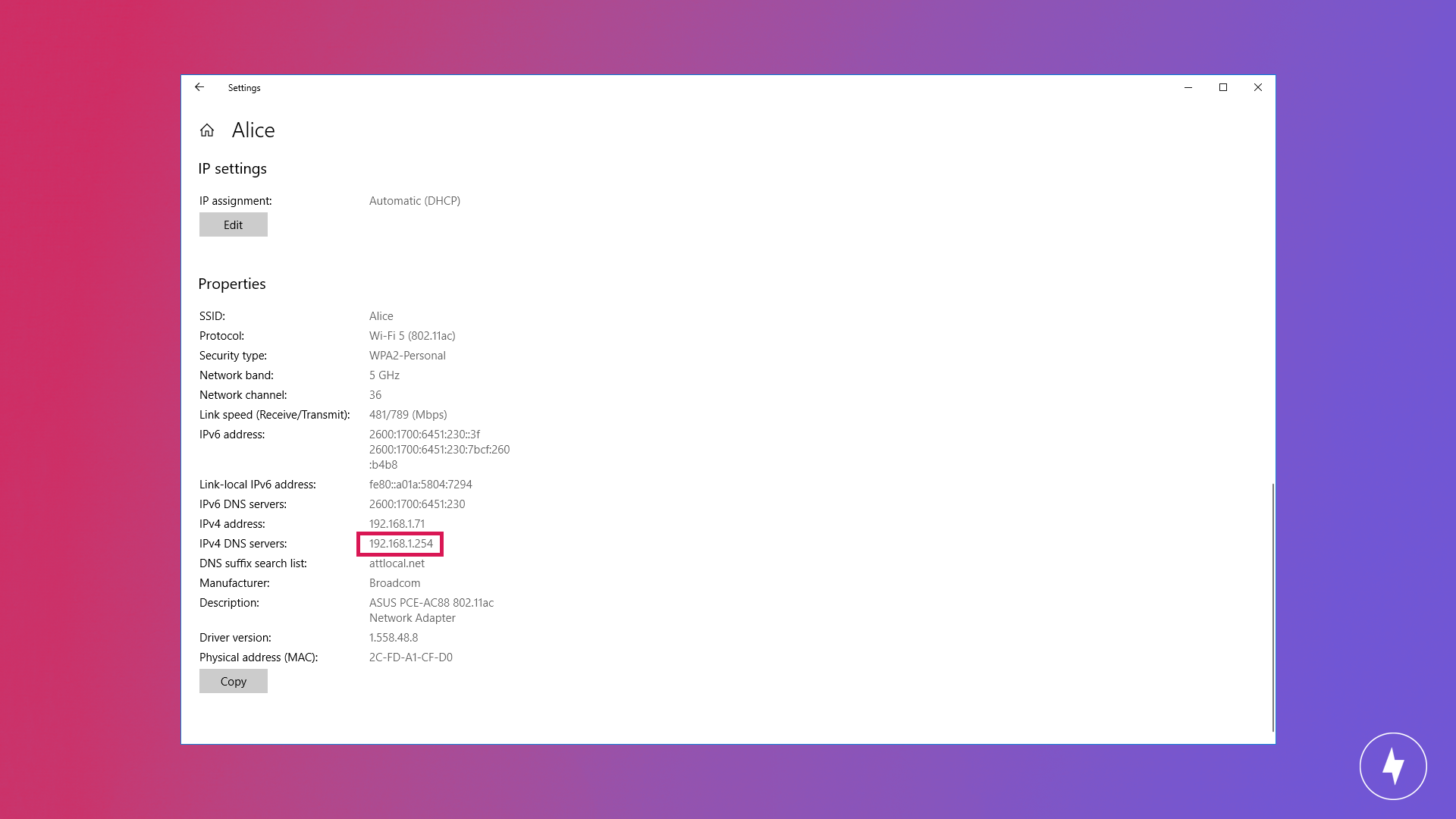
- Select Start, and navigate to Settings.
- Click Network & Internet.
- Click Properties underneath your active Wi-Fi network.
- Scroll down to Properties, and search for IPv4 DNS servers. The number next to this section is your router’s IP address.
How to Find Your Router’s IP Address on Mac
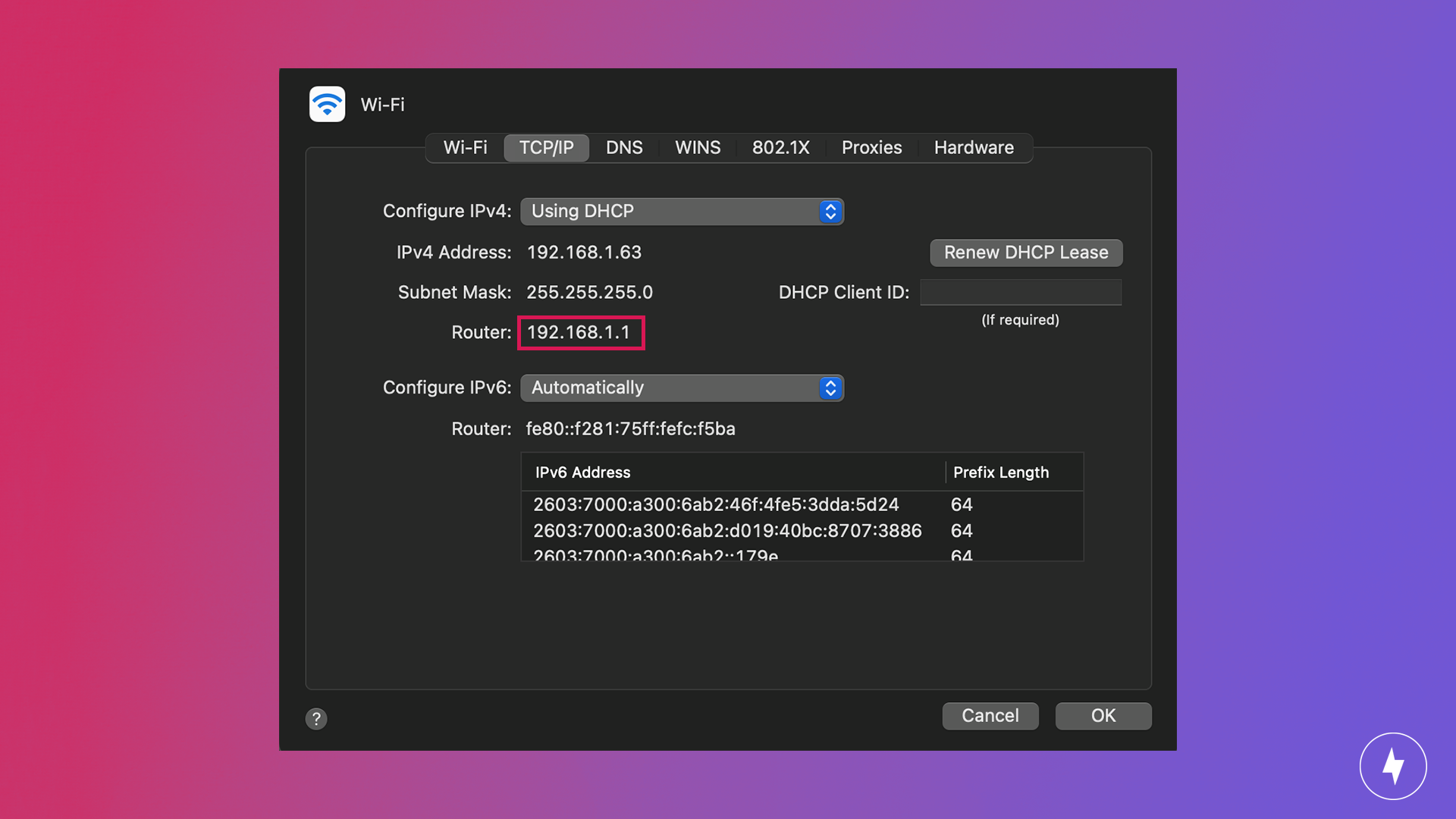
- Click the Apple icon.
- Select System Preferences.
- Choose Network.
- Choose your network from the list, and click Advanced at the bottom right.
- Select TCP/IP, and write down the number next to Router.
Wired or Wireless? Finding your router’s IP Address and changing your Wi-Fi password can be done wirelessly or via an Ethernet cable. I preferred to utilize the wireless method, but you can connect an Ethernet cable between your computer and router to access your Wi-Fi settings.
How to Change Your Wi-Fi Password
Now that you know your router’s IP address, you can move forward with changing your Wi-Fi password. The username and password for routers tend to be generic, such as “admin” or “password.” Whether you have a Netgear, Linksys, or another popular router brand, you can usually find this information on the back or side of the router. If you can’t locate the information there, check the user’s manual or the router manufacturer’s website.
Our Video on How to Change Your Wi-Fi Password
No time to read the rest of the article? Say less! Watch our video below for a visual representation of how to change your Wi-Fi password and name:
How to Change Your Wi-Fi Password in a Web Browser
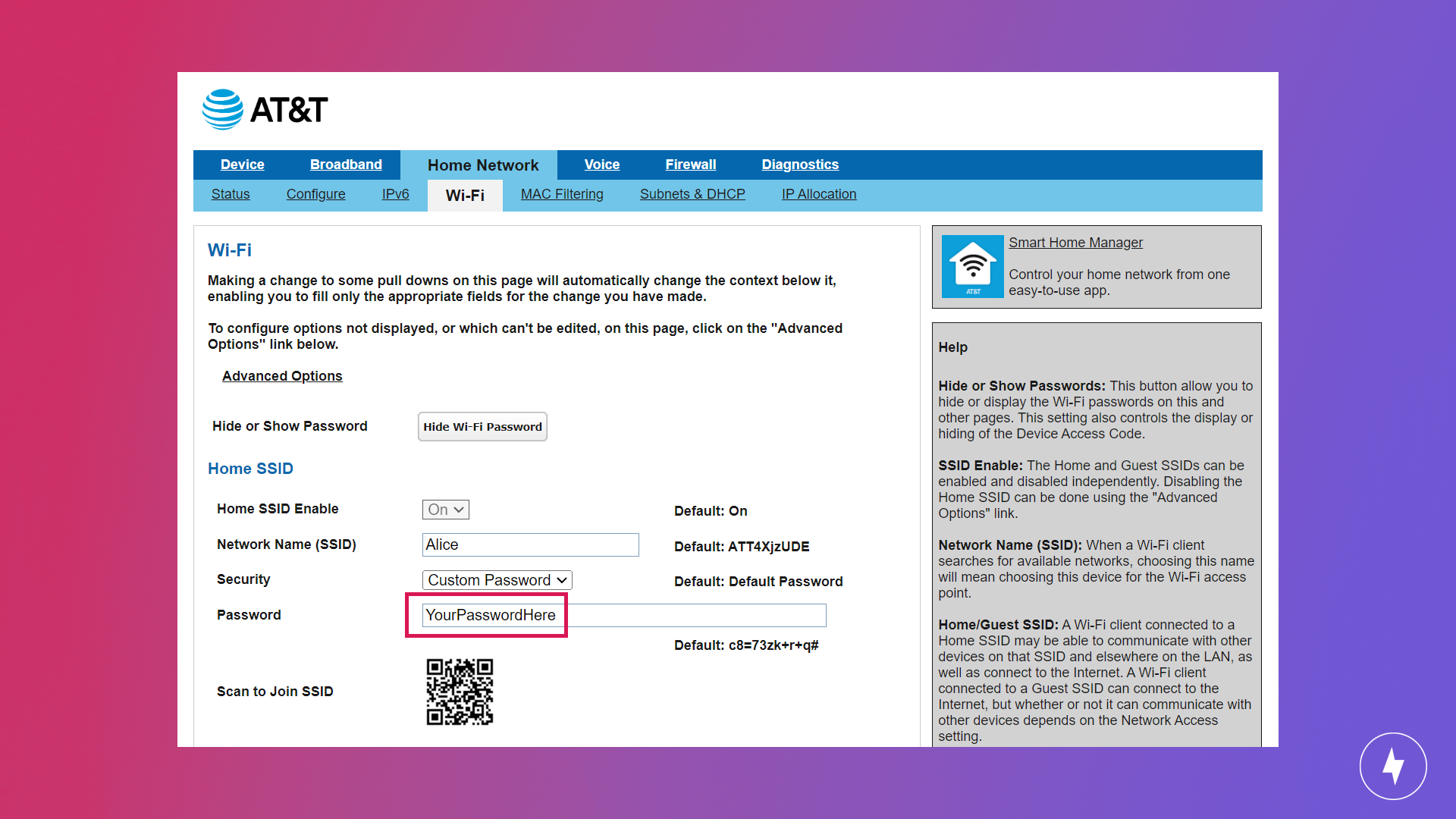
- Open an internet browser, such as Chrome or Firefox, on your computer.
- Enter your router’s IP address in the address bar.
- Enter the router login credentials.
- Click the section for Wi-Fi (which will vary depending on the router).
- Insert your new Wi-Fi password
- Save your settings, and reboot the router.
How to Change Your Wi-Fi Password in a Spectrum Router
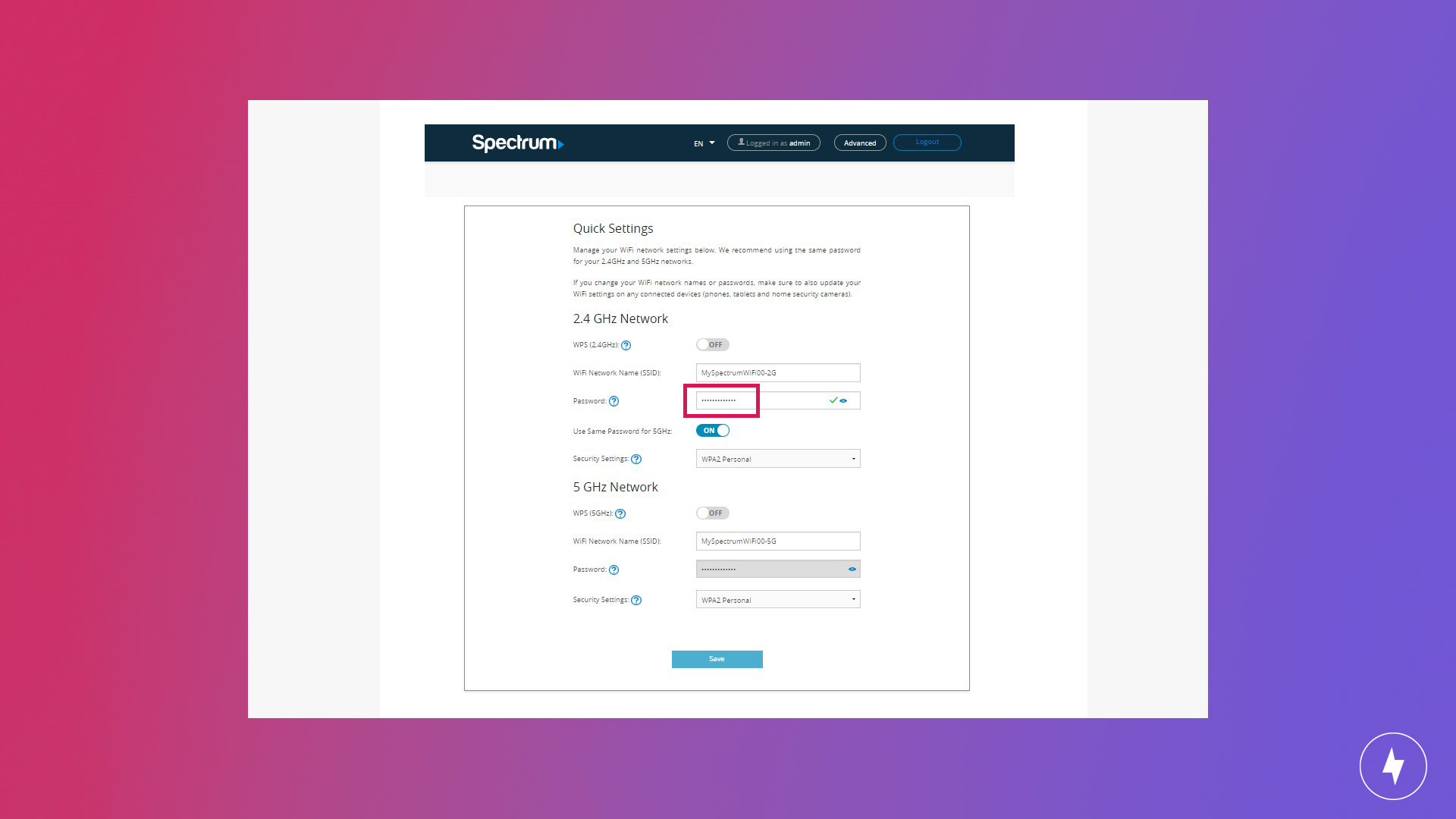
- Enter your router’s IP address in a web browser.
- Enter the Spectrum router login credentials.
- Locate the section labeled Password beneath your network name.
- Enter a strong Wi-Fi password.
- Select Save to confirm the changes (which will take effect immediately).
Wi-Fi Password Tip: Use a strong password that consists of a mix of uppercase letters, lowercase letters, numbers, and symbols. Avoid using identifiable information such as names or birth dates. Stay away from simple words, such as “password,” or common sequences, such as “12345.” Your Wi-Fi password should be independent and not a duplicate of other passwords you use across the internet.
Once you change your password, your router will disconnect from your devices. You must reconnect all devices with the updated password and share the Wi-Fi information with your household.
How to Pick Wi-Fi Network Protection
In most cases, you have the option of choosing a wireless security protocol. There are four wireless encryption types:
- Wired Equivalent Privacy (WEP)
- Wi-Fi Protected Access (WPA)
- WPA2
- WPA3
The most secure Wi-Fi access point is WPA3, but this option isn’t supported on all networks. The next best option is WPA2, which is the most commonly used security protocol. WEP and WPA are both considered outdated access points. Using either of these options could open your network to security threats.
How to Change Your Wi-Fi Name (SSID)
In addition to changing your Wi-Fi password, you can modify other information on your router, including your Wi-Fi name, also known as Service Set Identifier (SSID). The default SSID features a generic name, and you can change it to a name that’s easy to identify. I personally tend to name my Wi-Fi networks after characters from “Alice in Wonderland,” but you can choose any name you want. Just make sure your Wi-Fi network name doesn’t have any personally identifying information.
Modify your SSID in the same location used when changing your Wi-Fi password. Here are the steps to accessing the settings and changing your Wi-Fi name:
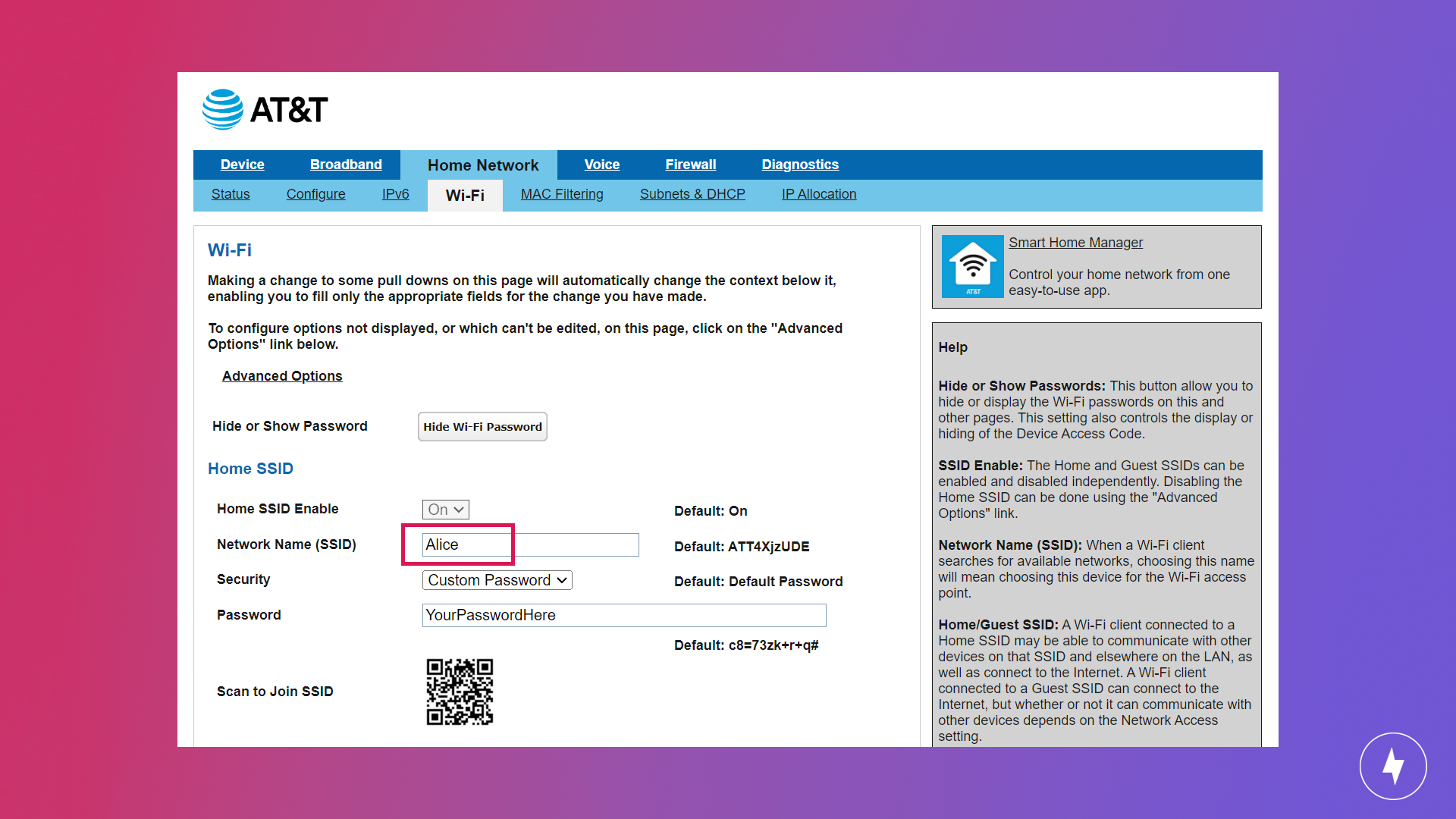
- Open your internet browser and enter your router’s IP address into the address field.
- Login using your router username and password.
- Locate the section labeled Network Name (SSID).
- Enter a new network name.
- Select Save to confirm the changes (you’ll notice the change immediately).
What’s in a Wi-Fi Name? Avoid using a moniker, surname, or street address in your SSID. You do not want your network to feature identifiable information that could put you at risk of being hacked. You don’t need to use a mix of uppercase letters, lowercase letters, numbers, and symbols as you do with a password. Instead, create an easily identifiable network name for you and your family to remember.
How to Change Your Wi-Fi via Apps
Many popular service providers, including AT&T, Spectrum, and Xfinity, make updating your Wi-Fi information simple with apps. For example, AT&T offers Smart Home Manager, an app that allows you to control your Wi-Fi settings from anywhere. I personally don’t like keeping too many apps on my phone, but internet provider apps make changing your Wi-Fi settings easy and flexible. No matter whether you are at work, on vacation, or elsewhere outside your home, you can modify your Wi-Fi network wherever. This feature comes in handy if your information risks becoming compromised or hacked.
How to Change Your AT&T Wi-Fi Settings in the App
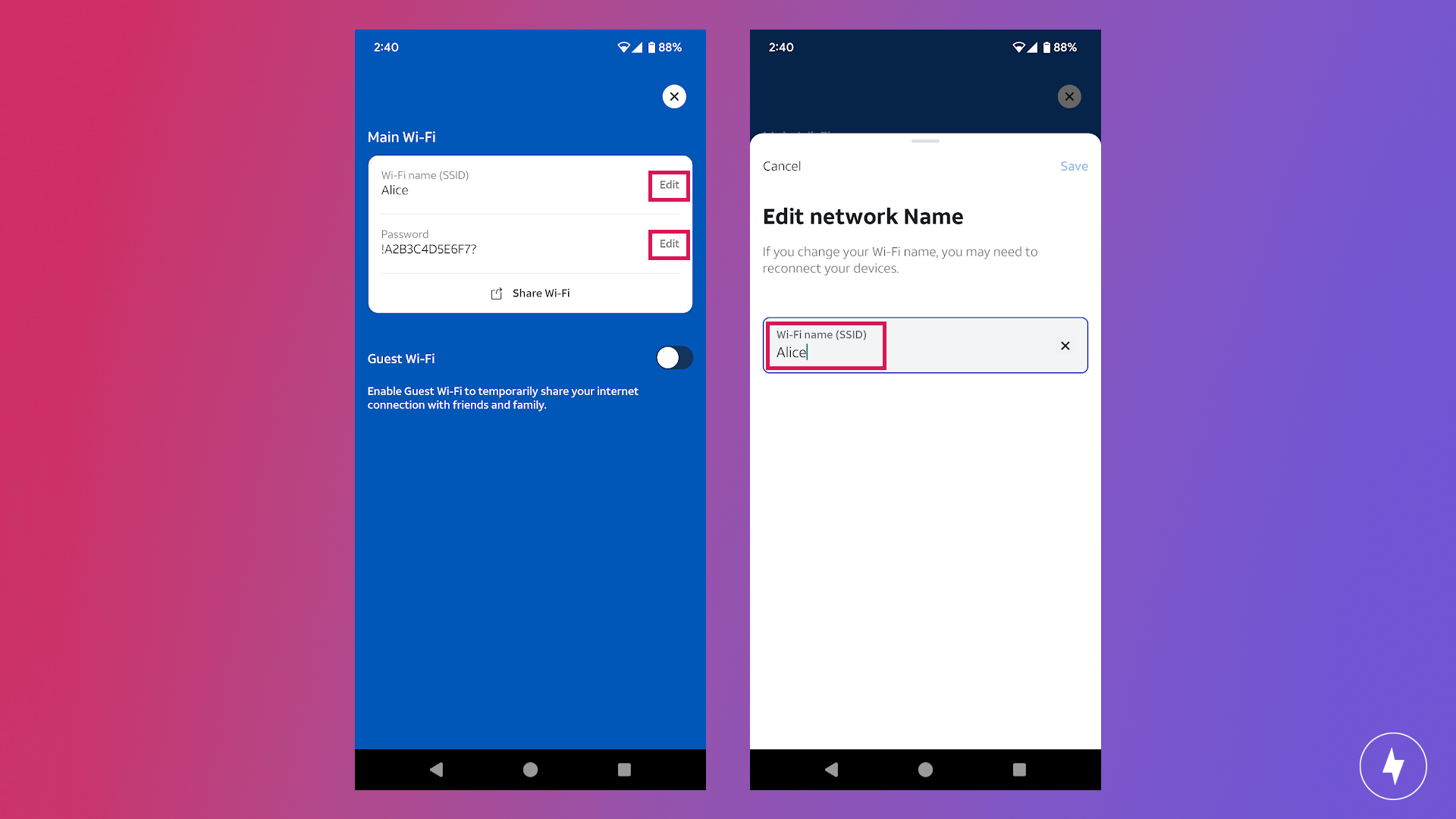
- Navigate to the Smart Home Manager app.
- Tap the Wi-Fi button on the bottom bar.
- Tap the Manage Wi-Fi card.
- Select Edit next to the Wi-Fi name or password you wish to change.
- Clear the existing information by selecting X.
- Input a new name or strong password.
- Click Save to update your settings.
How to Change Your Xfinity Wi-Fi Settings in the App
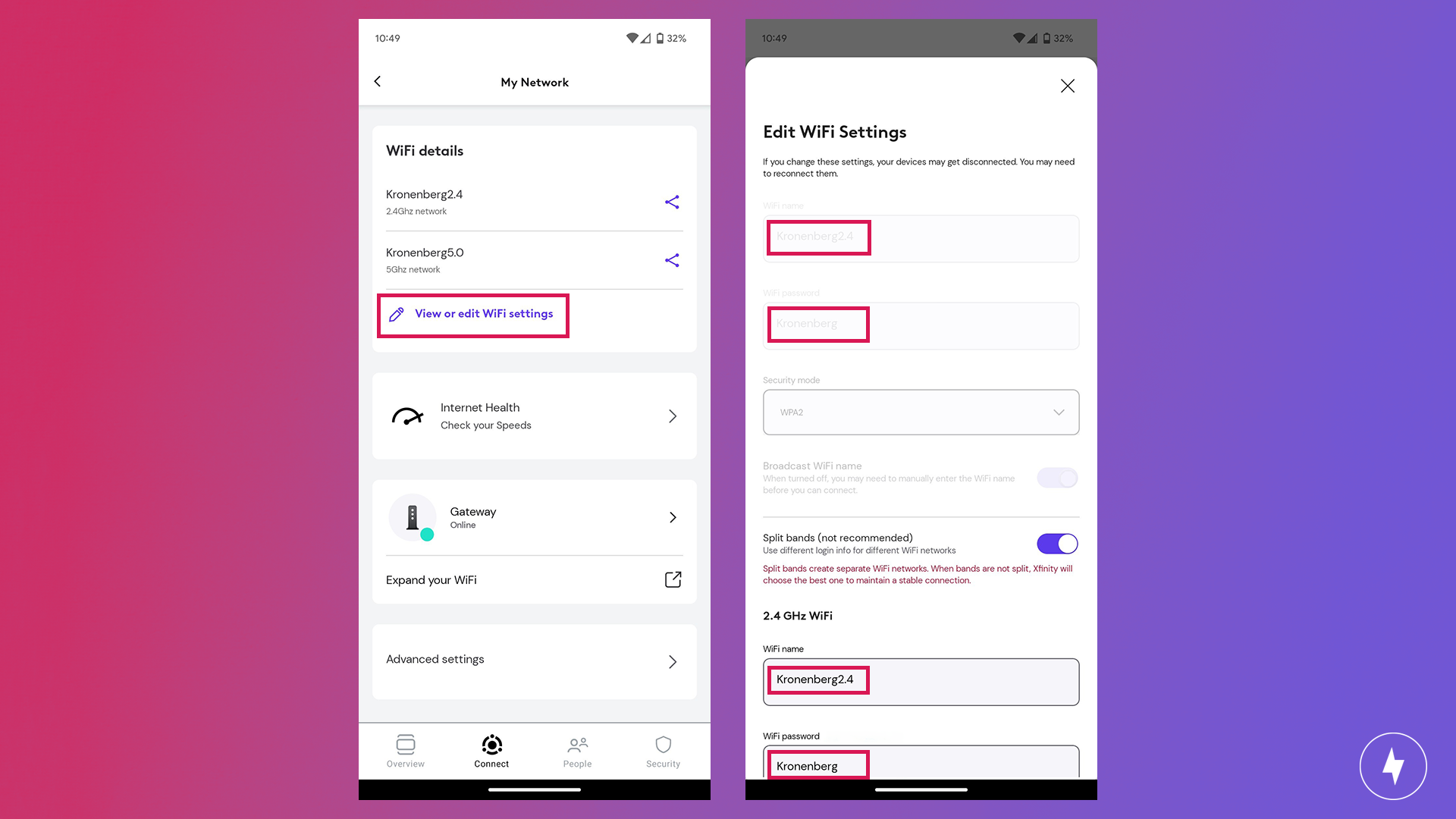
- Navigate to the Xfinity App.
- Tap Connect.
- Choose your network.
- Tap View or Edit Wi-Fi Settings.
- Edit your Wi-Fi name and password.
- Tap Save.
How to Change Your Spectrum Wi-Fi Settings in the App
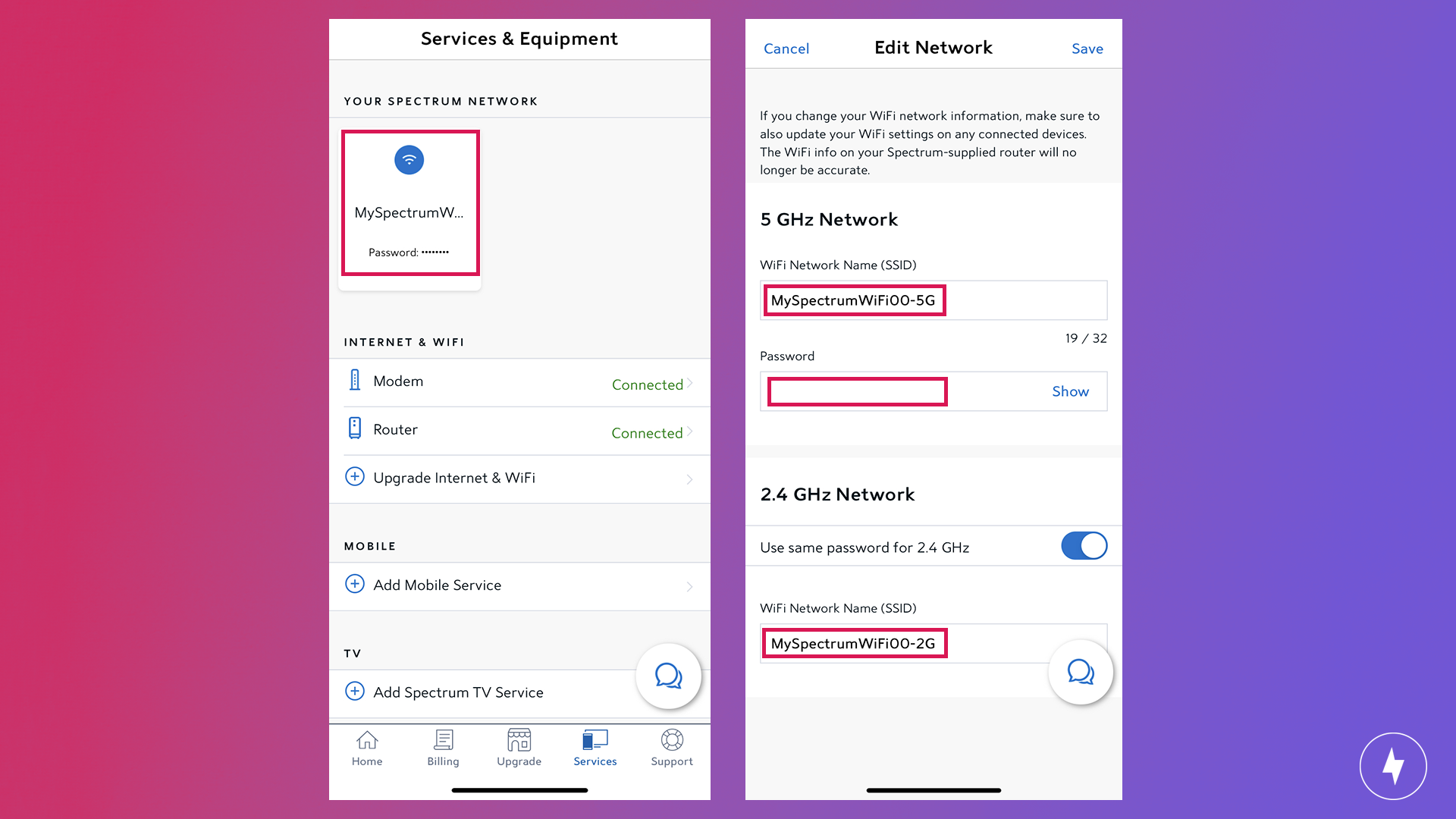
- Navigate to the My Spectrum App.
- Select Services from the menu at the bottom of the screen.
- Under Your Spectrum Network, choose the network you wish to edit.
- Click Edit Network Info and update your Wi-Fi name and password.
- Tap Save.
In addition to apps from internet service providers, most routers feature companion apps that allow you to change your Wi-Fi name and password. Each manufacturer will feature different steps for updating this information. The option to edit your Wi-Fi name and password will be prominently featured within the app’s settings section.
How to Modify Your Wireless Mesh Network
Wireless mesh networks feature wireless extenders that help improve connection quality for homes in dead zones or with several smart devices. A Wi-Fi mesh network has several SSIDs, whereas a traditional router has one SSID. Updating the information using either is very similar. Since eero is the most popular mesh Wi-Fi router model, let’s look at how to change your Wi-Fi settings using an eero device. I recently set up this device in my home and found the whole process incredibly user-friendly, so don’t let the advanced use of a mesh network frighten you.
How to Change Your eero Wi-Fi Settings
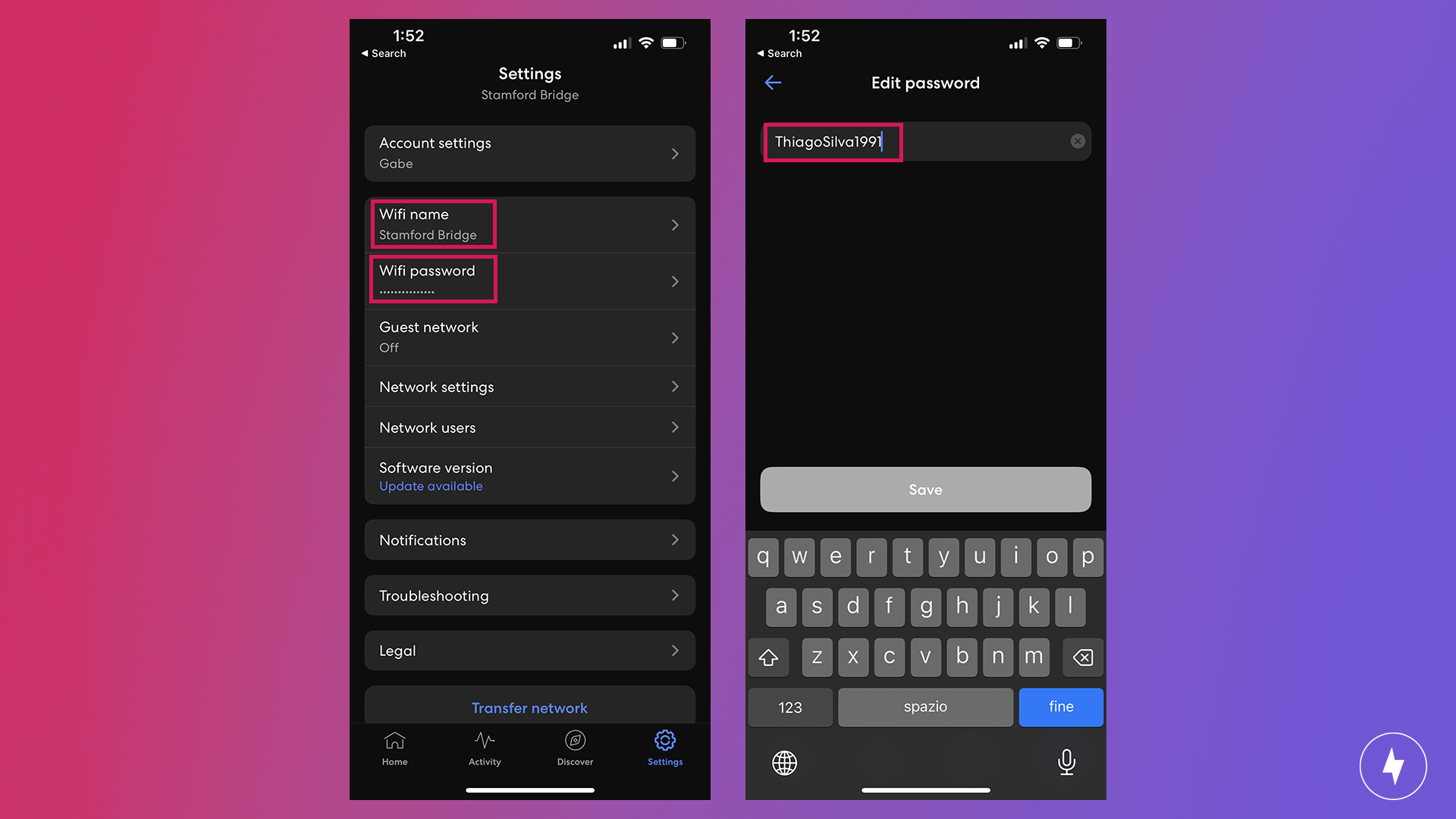
- Open your eero app on your mobile device.
- Click on Settings.
- Select the Wi-Fi configuration you wish to edit and update the information.
- Tap Save.
How to Test Your New Wi-Fi Settings
Once you’ve changed your Wi-Fi settings, you need to test the new credentials to ensure everything works properly. Use a device such as a smartphone or a computer and enter your updated information. Ensure you can connect and navigate online using the credentials.
After you save your Wi-Fi changes, your network won’t stay connected to other devices. You’ll need to reconnect anything previously connected to your Wi-Fi. For example, I have a smart refrigerator and washer, so I had to update the Wi-Fi settings for each to keep them connected. Here’s a list of devices you may need to reconnect in your home:
- Smart speakers
- Gaming consoles
- Security systems
- Smart TVs
- Smart fridges
- Other Wi-Fi-enabled devices in your home
How to Reset Your Wi-Fi Router
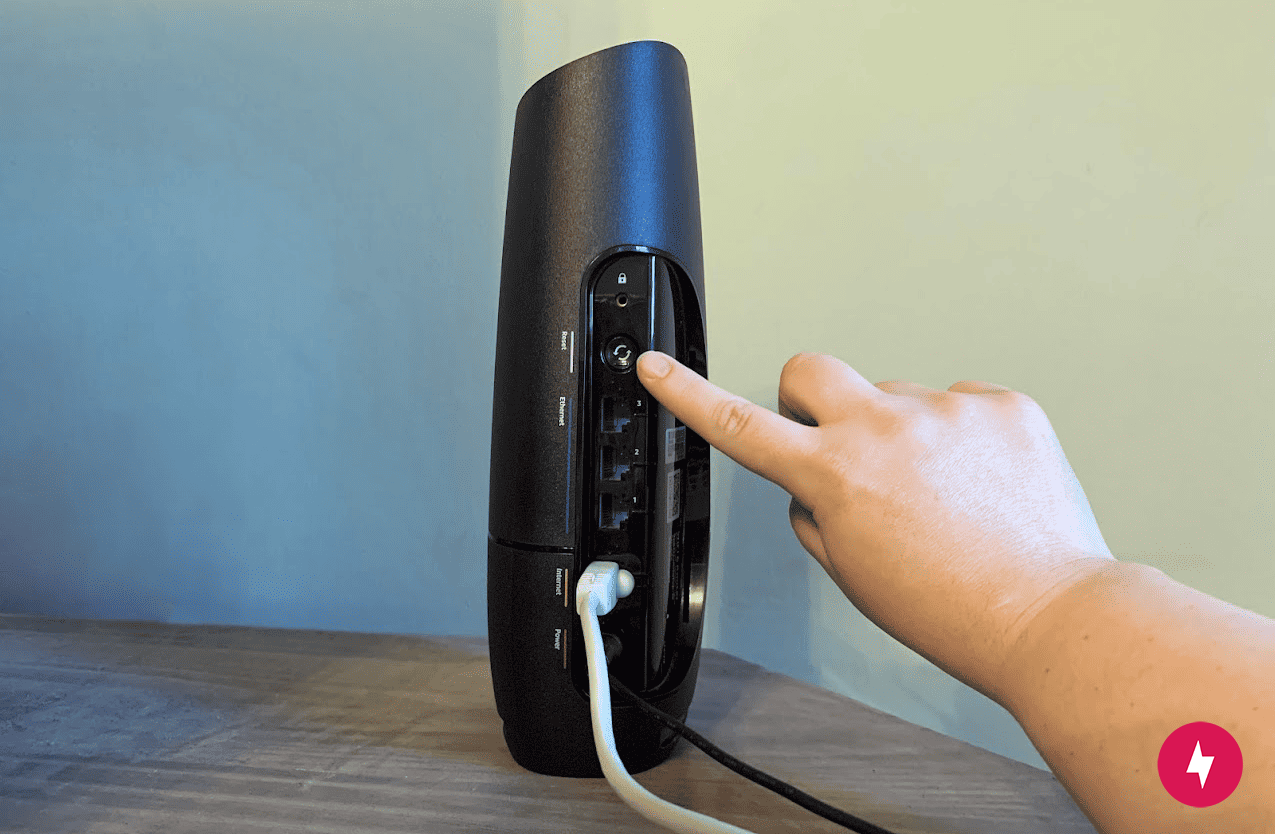
If you don’t have access to or have lost your router login credentials, Wi-Fi network name, or Wi-Fi password, you can reset your router to return the device to the factory settings. This feature is a useful fail-safe should any of your information become lost or compromised.
Here are the steps you need to take to reset a router:
- Press your router’s reset button. You’ll find the button located on the side or back of the router. While my Spectrum router had a full-sized button, many times you’ll need to use a small, thin object such as a paper clip or pin to press the button.
- You can connect to the router’s Wi-Fi network without a password following a reset. Follow the steps covered earlier to use your router’s IP address to enter the router settings on your internet browser.
- Use the default username and password for your router, which can be found on the side or back of your router. You can contact the router’s manufacturer to access the credentials if you don’t have this information.
- From here, you can proceed through the above steps to change your Wi-Fi information.
Know Your Speed
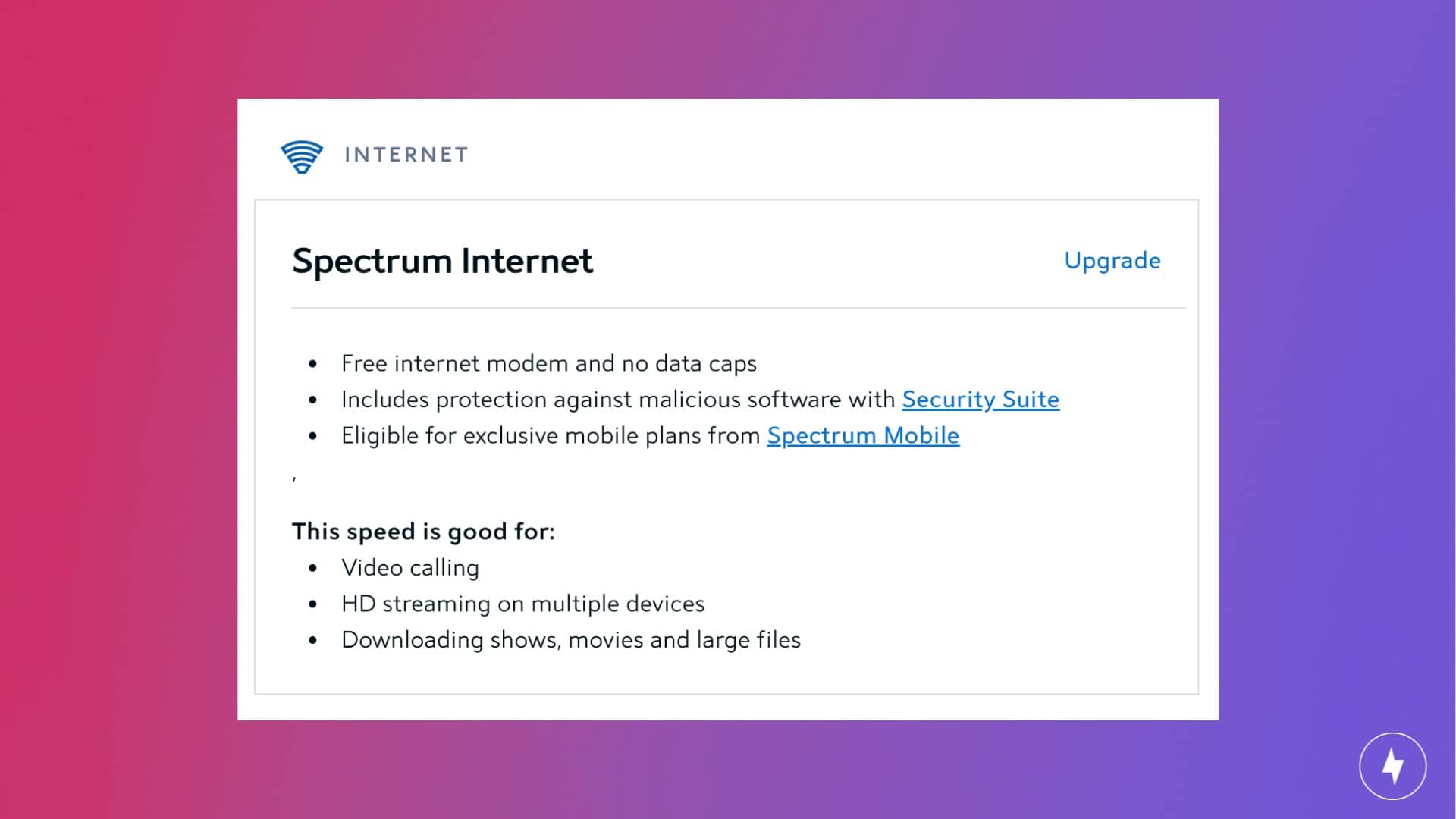
First, you should understand what Internet speed you’re paying for so you can determine whether or not it’s underperforming. My Spectrum Internet plan comes with download speeds up to 300 Mbps (wireless speeds may vary). Here’s how to identify your current plan in your Spectrum account:
- Navigate to https://www.spectrum.net/.
- Log in to your Spectrum account.
- Scroll down to Your Services and click View Current Plan.
- Review your Plan Details, including anything related to your Internet, TV, mobile, or home phone services.
- Scroll down to see a summary of your plan.
Now that you know what plan you have, you can proceed with testing your current speed to understand if your service and equipment are working properly.
Testing Your Spectrum Internet Speed
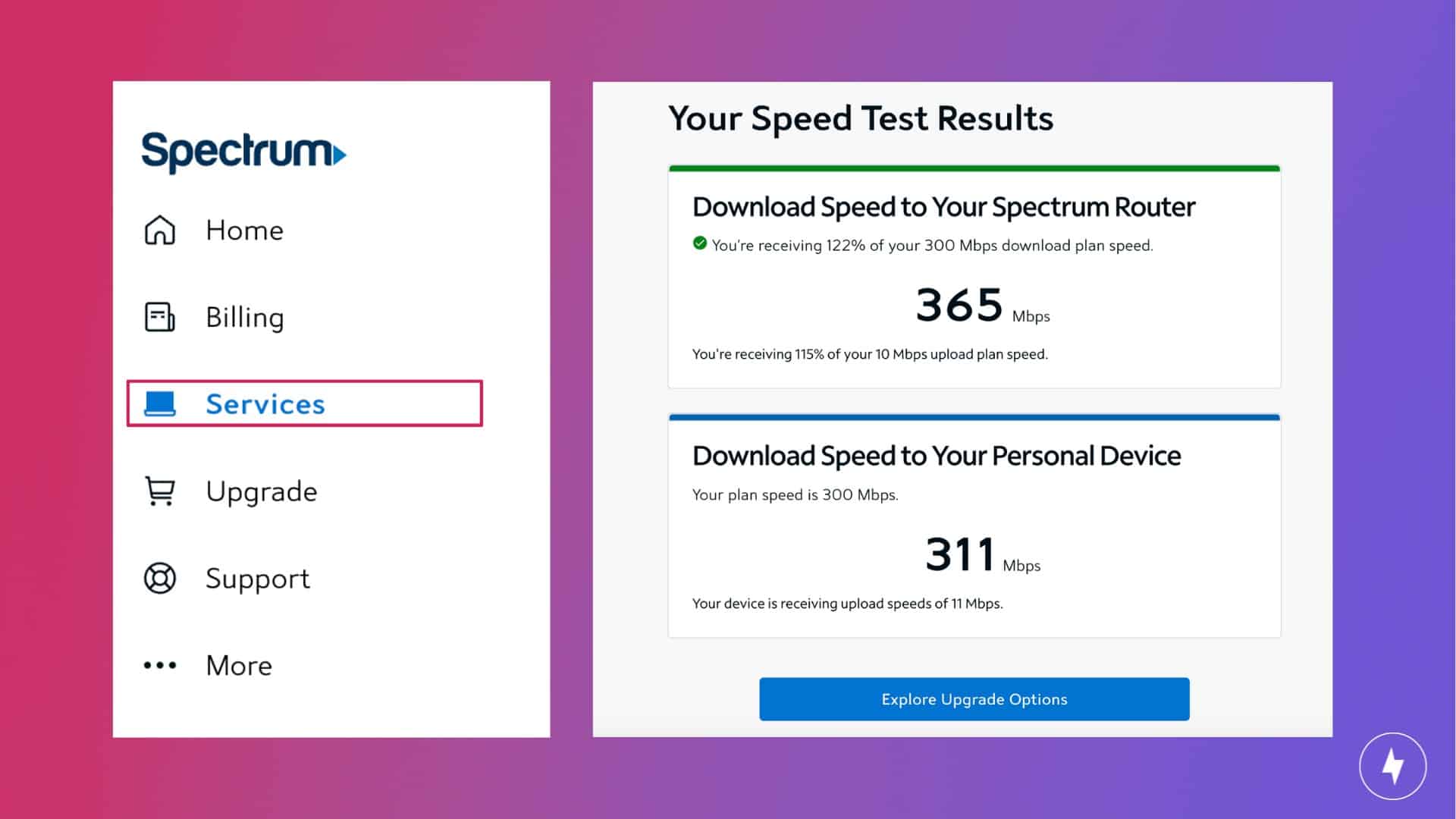
Spectrum is the first Internet service provider that gave me a speed test option from the onset — not after I had an issue with customer service. That says something about their commitment to customer satisfaction and transparency. Spectrum makes it very straightforward to test your Internet speed from your account. Here’s how you can test your speed when you’re logged into your account portal:
- Click Services from the sidebar.
- Select the Internet tab.
- From there, you can view your current plan and connected devices, check for security issues, and run a Speed Test.
- Click Run a Speed Test and then follow the prompted instructions.
I received faster speeds than my active plan. When running this test, I was about 15 feet away from my router, so that probably helped deliver fast speeds to my laptop. If you see lower numbers than expected on your speed test, it’s time to figure out how to maximize your speeds.
Pro Tip: Use our BroadbandNow Speed Test tool after using Spectrum’s to compare the numbers and see if they match or are similar.
How to Reboot Your Spectrum Router and Modem Through the My Spectrum Mobile App
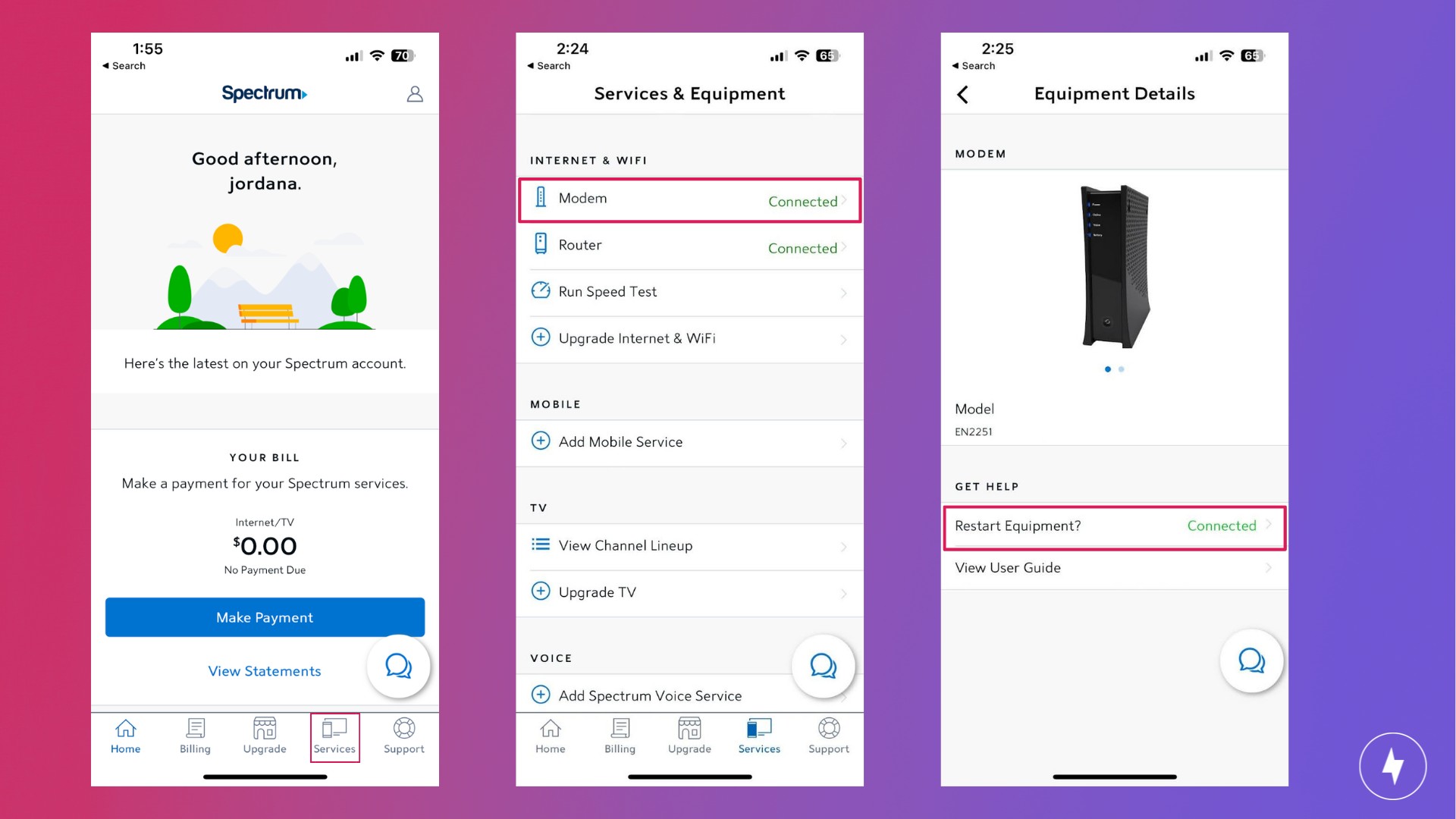
I don’t want to touch any wires or move equipment around for fear of them not functioning as expected afterward. If you’re like me, then rest assured that Spectrum’s mobile app allows you to reboot your equipment directly from your mobile device. Here’s how I used the app to reboot my equipment:
- Log in to the My Spectrum mobile app.
- Tap on the Services tab.
- Select the equipment you’d like to reboot, such as Modem or Router.
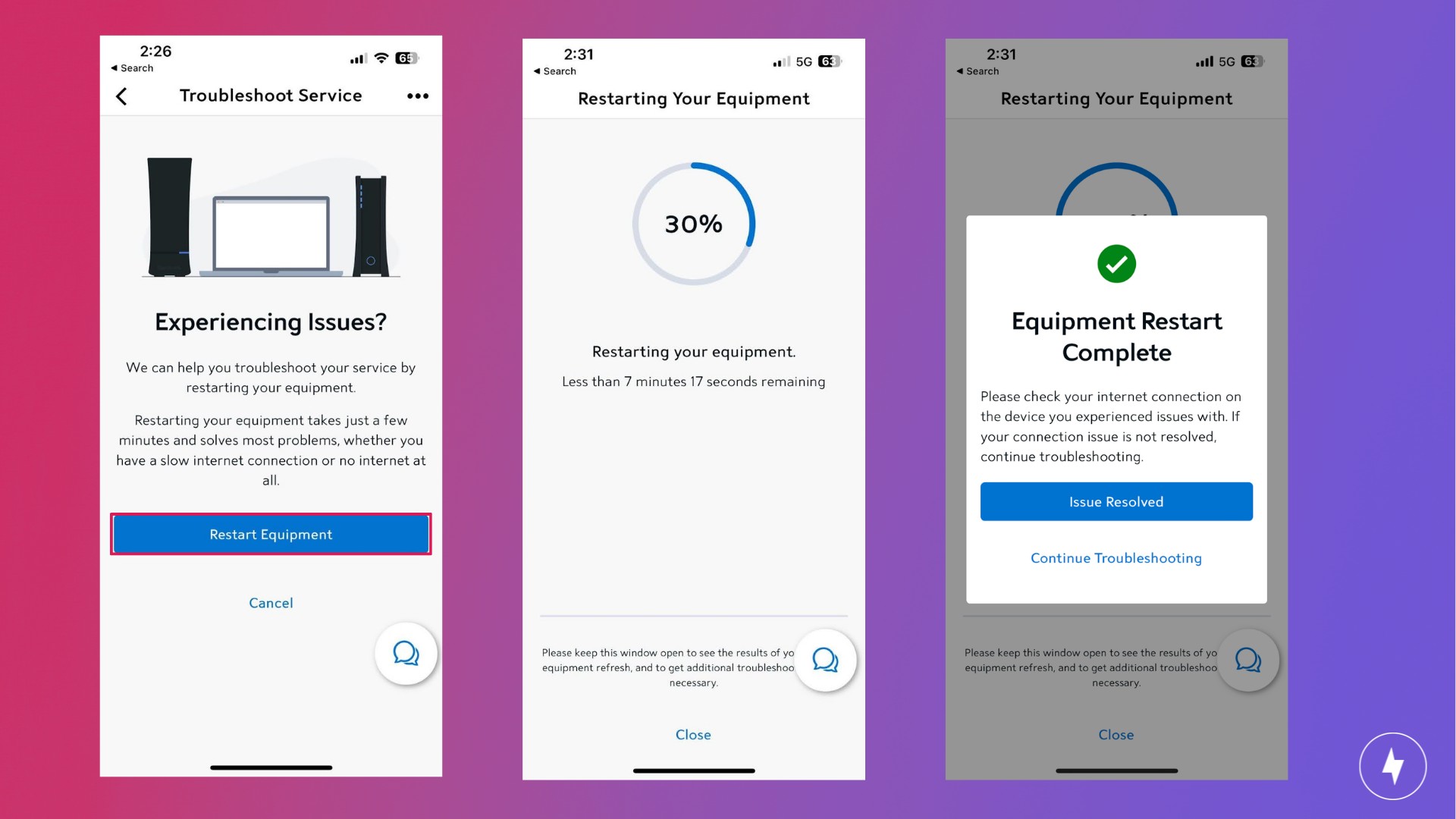
- Tap Restart Equipment? from the Get Help section.
- Tap Restart Equipment to proceed and wait for the restart to complete.
- Keep the window open to see the results of the refresh and receive any additional troubleshooting details as necessary.
- During the process, I noticed my router’s light status turned red and that my WiFi connection was interrupted.
- For best results, proceed with a Restart for both your modem and your router. You can either continue troubleshooting or, if your issue is resolved, continue to use your WiFi as expected.
Frequently Asked Questions About Spectrum Internet Speeds
What speed should I be getting with Spectrum Internet?
Spectrum offers several Internet plans with different speed ranges. Depending on your household size and what online activities occur, your speed needs can fall anywhere between 100 Mbps and 1 Gbps (wireless speeds may vary). Spectrum’s lowest-tiered plan meets the FCC’s minimum of 100 Mbps download speed.
Why am I not getting my full speed with my Spectrum Internet plan?
You might experience slower speeds than what your plan promises for a few reasons: your equipment is outdated and you need to update the firmware; there is network congestion in your neighborhood so your speeds aren’t performing optimally; or you placed your router in areas that block the WiFi signals.
Why is my Spectrum Internet slow at night or in the morning?
If your Spectrum Internet feels slower at night or in the early morning, it’s often due to network congestion. These are peak usage hours when many people in your area are streaming, gaming or using the internet, which can temporarily strain the shared network. Using too many devices connected at once can also contribute, so if you have a house full of people online at that time, it can slow things down.
Does Spectrum throttle speeds?
Spectrum states that it does not throttle or intentionally slow down internet speeds based on online activity. You may still experience slower performance during peak hours due to network congestion, which affects all users in a given area. This slowdown is a result of high demand on the network, not selective speed reduction. The provider may throttle your speeds if you’re nearing or have exceeded your monthly data cap.